



 Channel
 Linkedin
  Weibo
Weibo  Facebook
  Ins
Ins 

Nurturing Cultural Roots and Global Perspectives

Ms Brenda Su
Reception Teacher

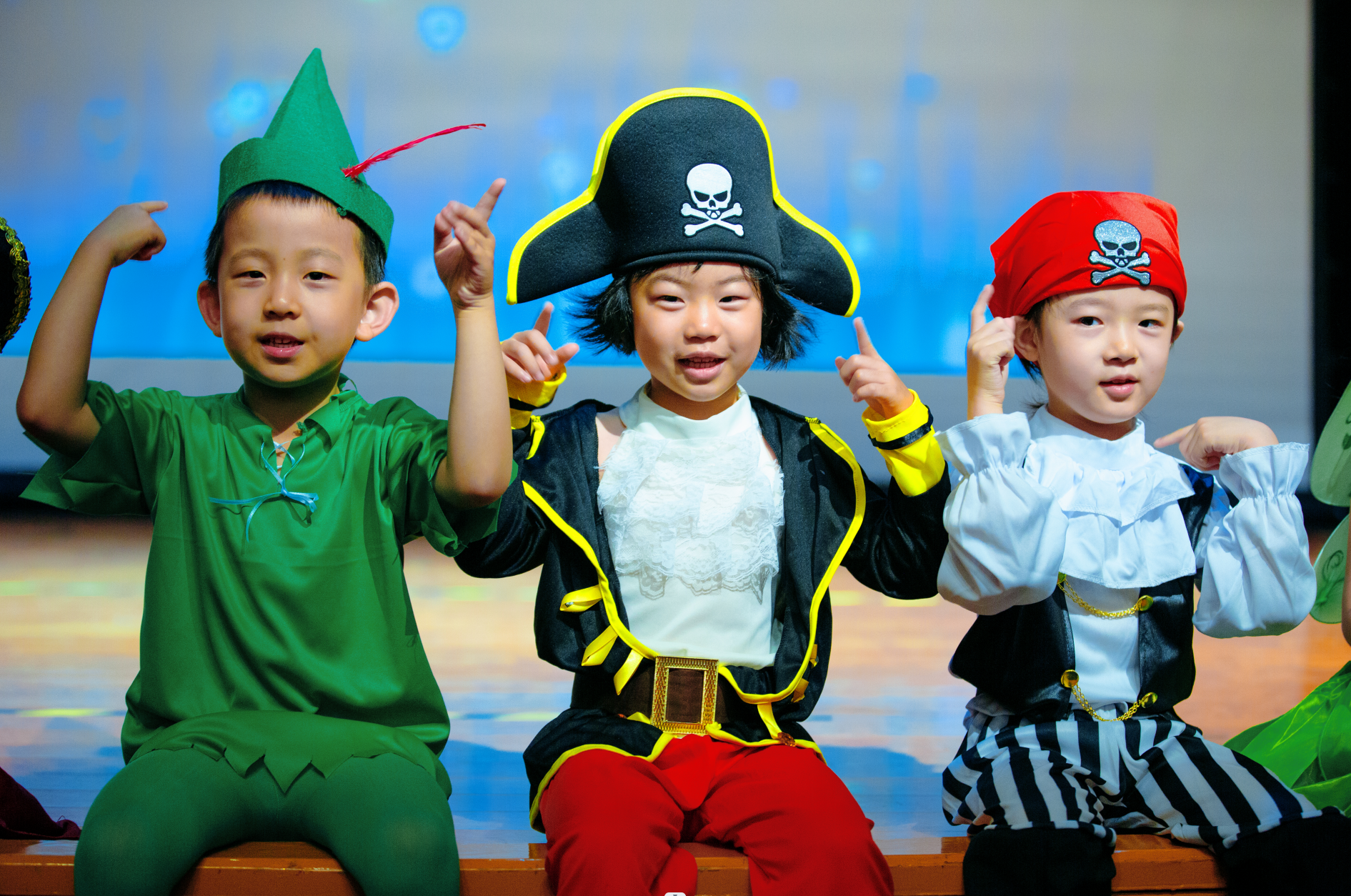
At Wellington, theme-based teaching and formative assessment are employed to closely monitor each child's holistic development, emphasising not only linguistic, social, and physical competencies but also nurturing cultural sensitivity.
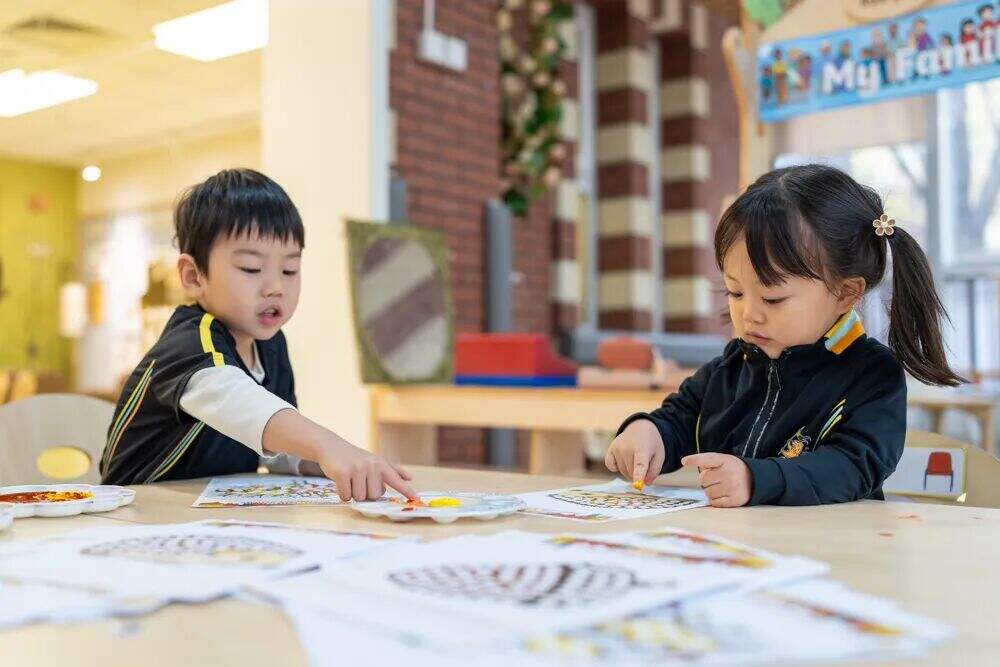
Cultural sensitivity refers to the ability to perceive, understand, and respect cultural differences in cross-cultural contexts, rooted in a firm cultural identity. This capability enables children to maintain cultural authenticity while engaging inclusively in global dialogues.
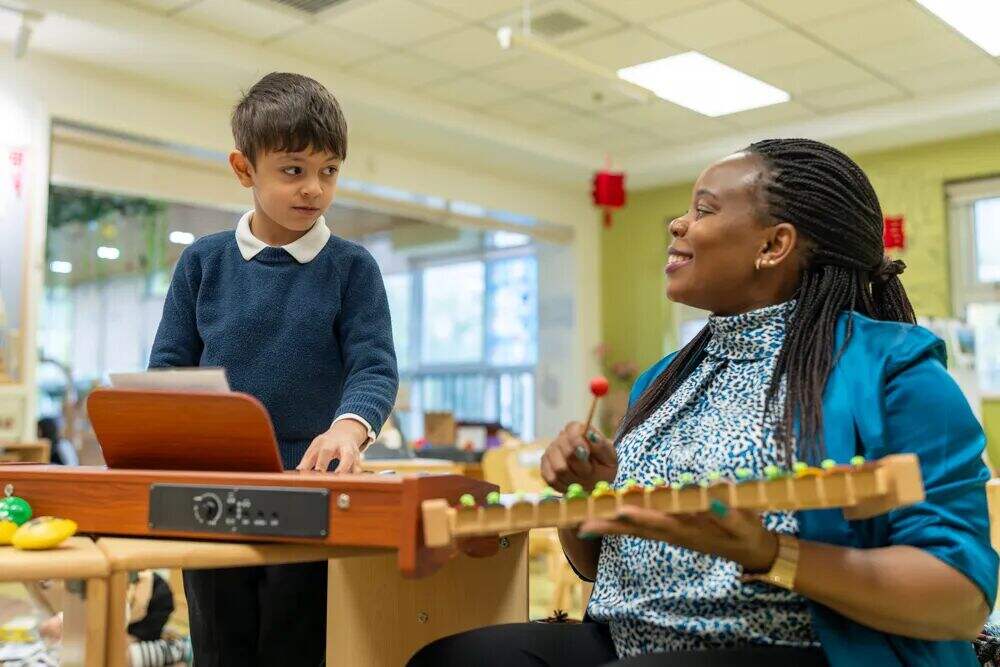
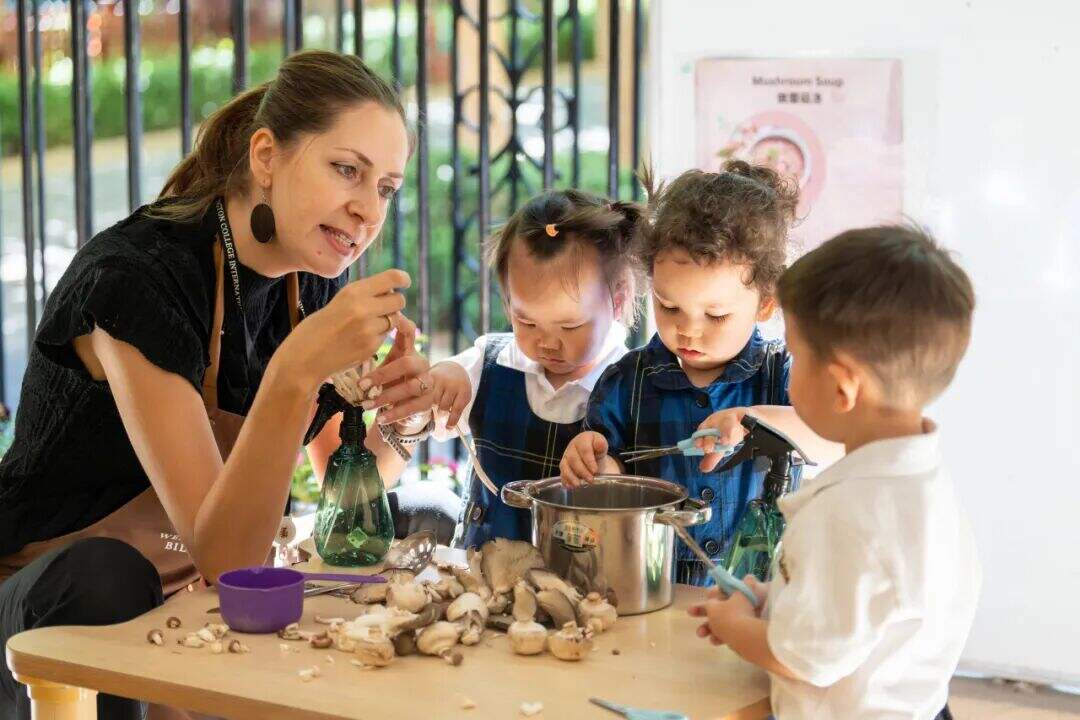
Cultural education plays a fundamental and immersive role in early childhood development. Through cultural education, we build bridges from cultural cognition to cross-cultural understanding.
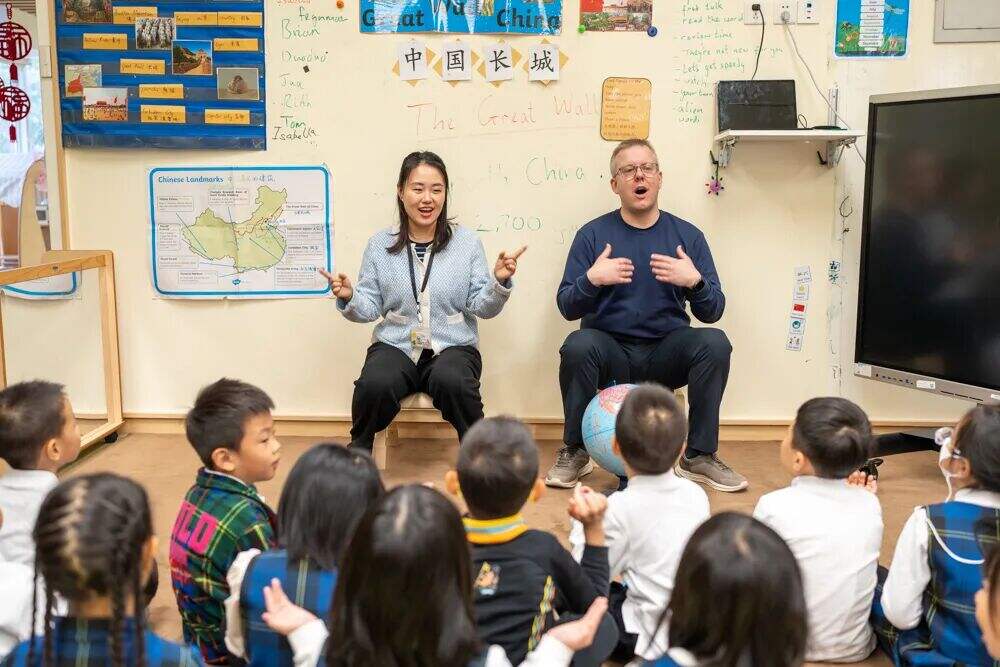
The age range of 3-6 represents peak neuroplasticity, when traditional cultural elements such as rhythmic language (poetry/nursery rhymes) and symbolic characters (oracle bone script) align perfectly with children's concrete thinking patterns. These elements serve as ideal materials for cognitive development and cultural enlightenment, enhancing linguistic abilities while subtly cultivating rhythm perception and a deep understanding of linguistic symbols.
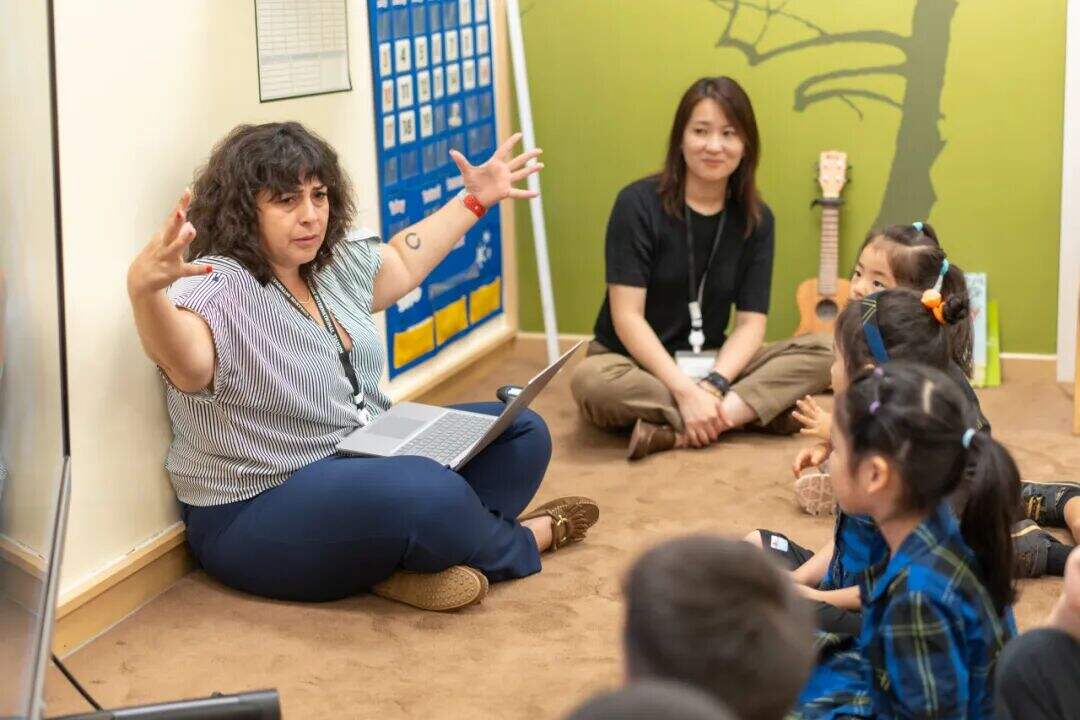
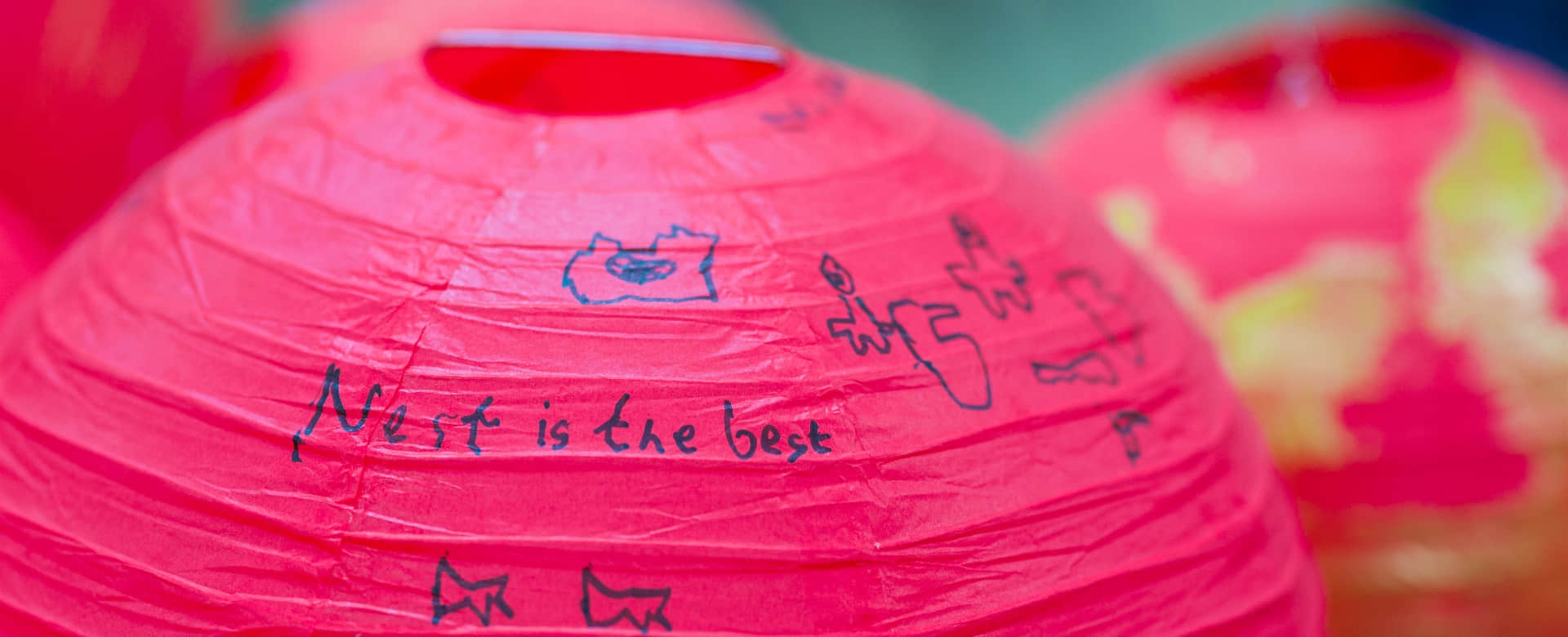
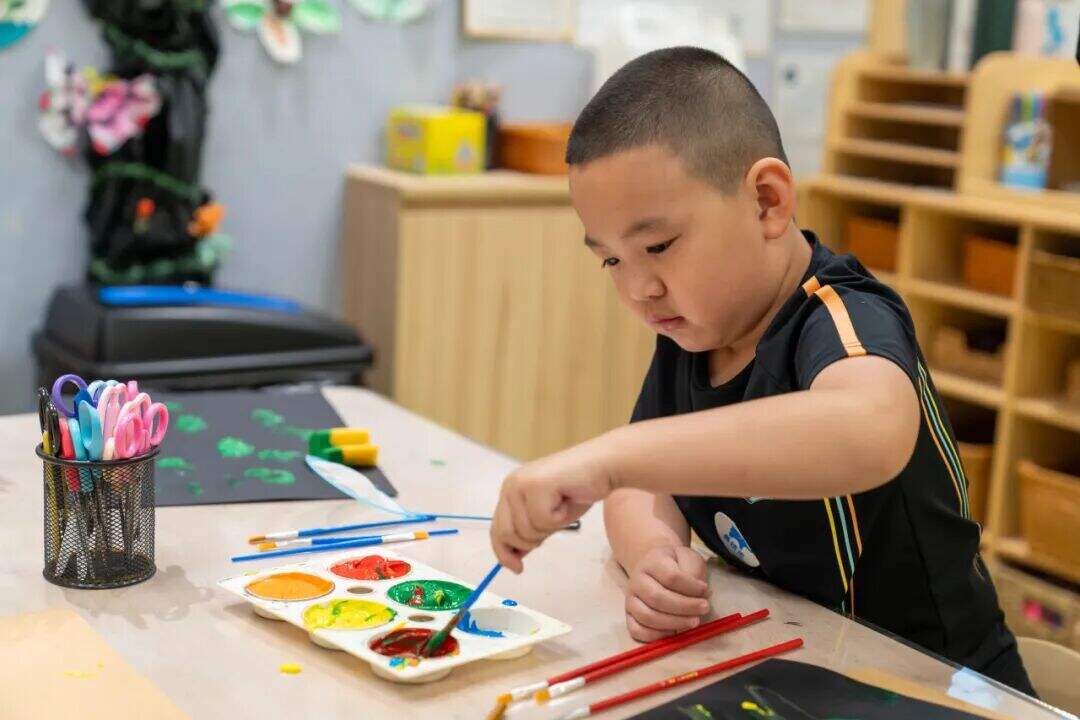
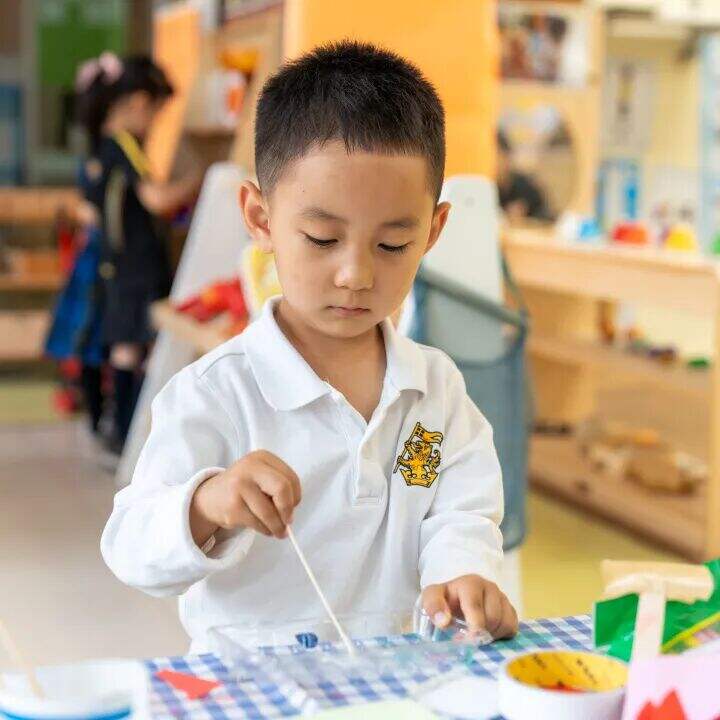
Hands-on cultural activities, such as rubbing and papercutting, stimulate spatial imagination, while metaphorical thinking in Chinese idiomatic stories fosters abstract reasoning. Research indicates that preschoolers' concrete experiences with cultural symbols form lifelong emotional connections, which evolve into conscious cultural inheritance during adolescence.
✦
✦
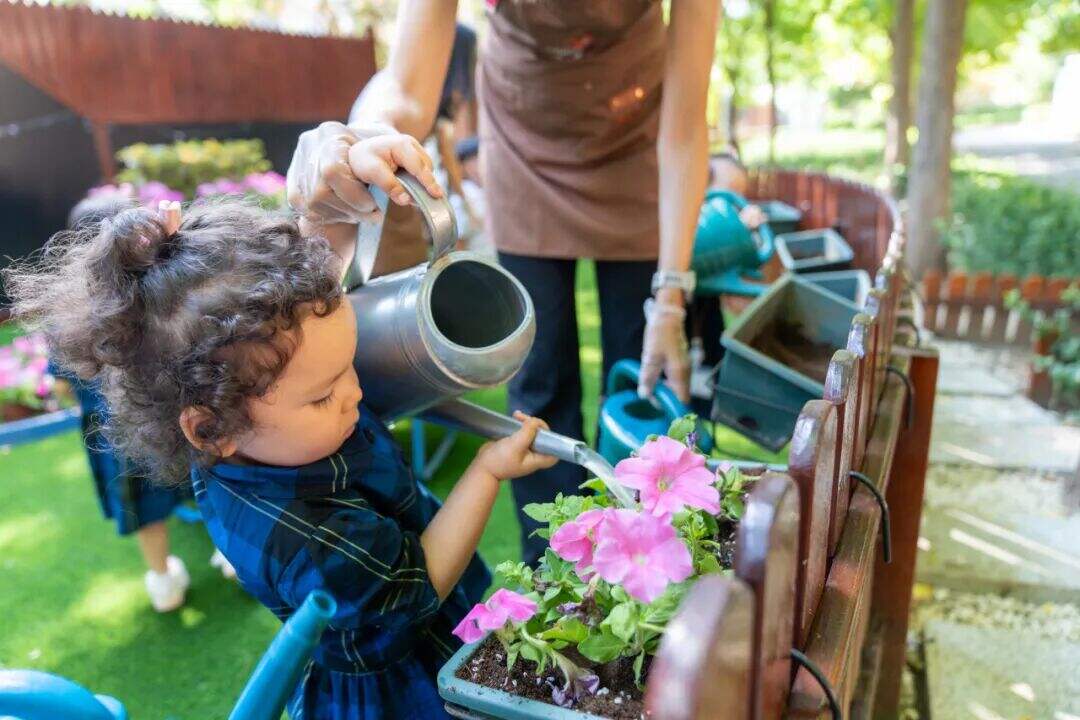
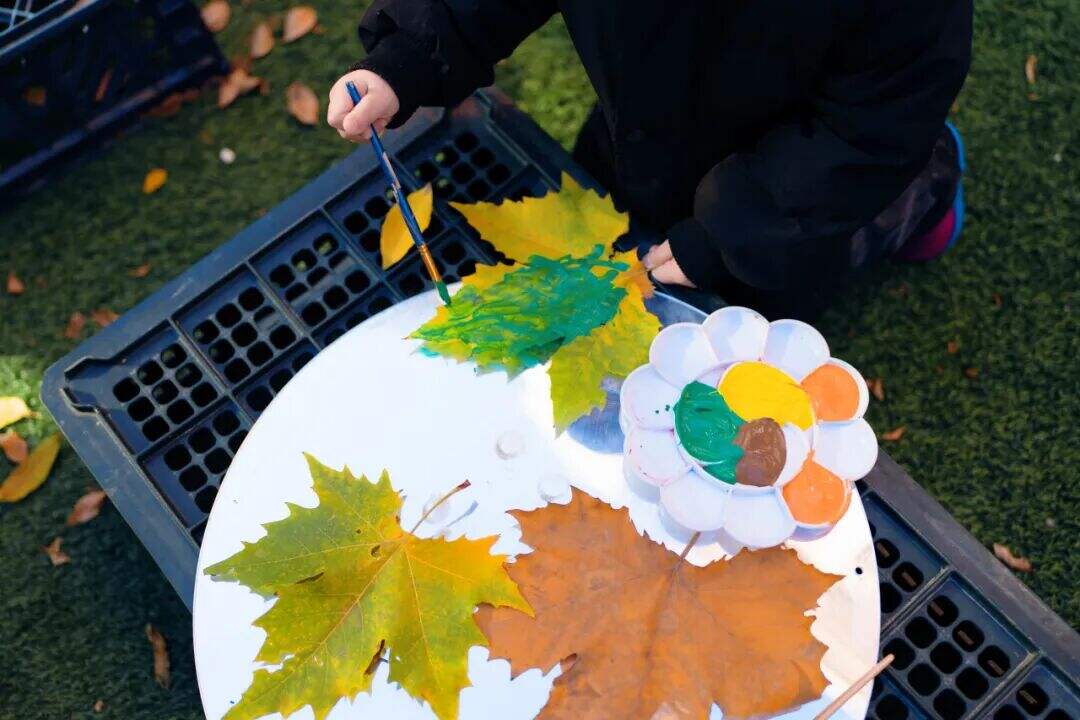
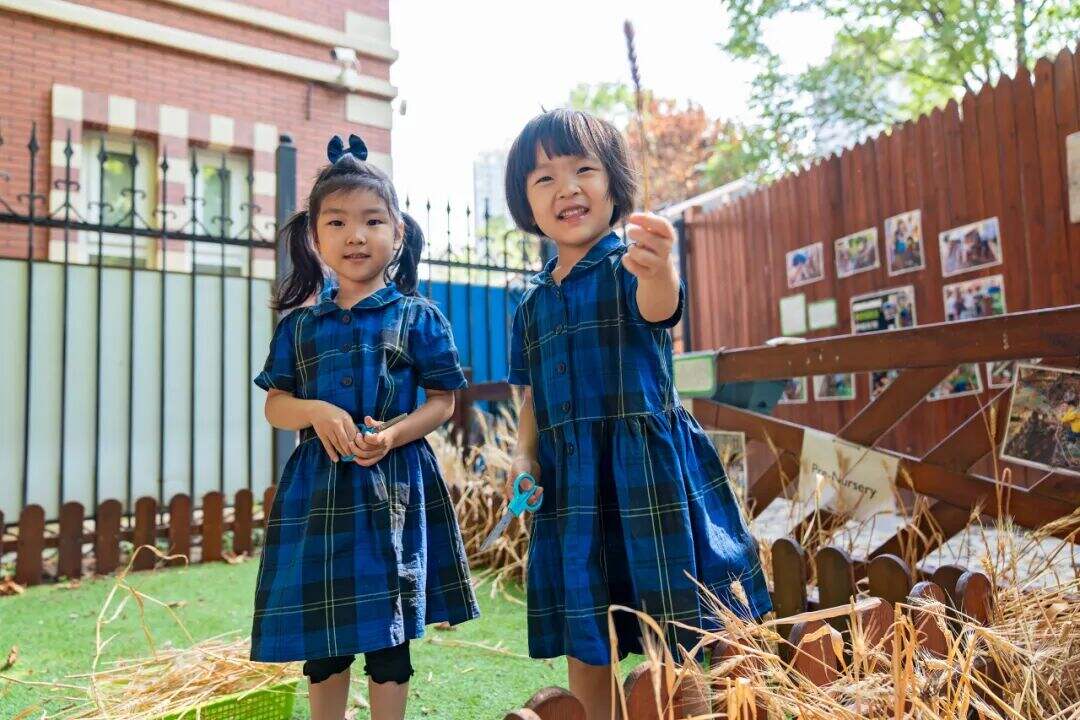
Our 24 Solar Terms curriculum deepens children's understanding of life cycles through nature observation. Practical activities like spring planting, summer cicada-watching, autumn harvesting, and winter solstice traditions, the nine periods (of nine days each) following the winter solstice, enable children to perceive life's cyclical rhythm while developing reverence for natural laws and cultural DNA. This embodied learning approach imparts both Chinese agricultural wisdom and philosophical understanding of life continuity, achieving a dual construction of scientific cognition and cultural heritage.
✦
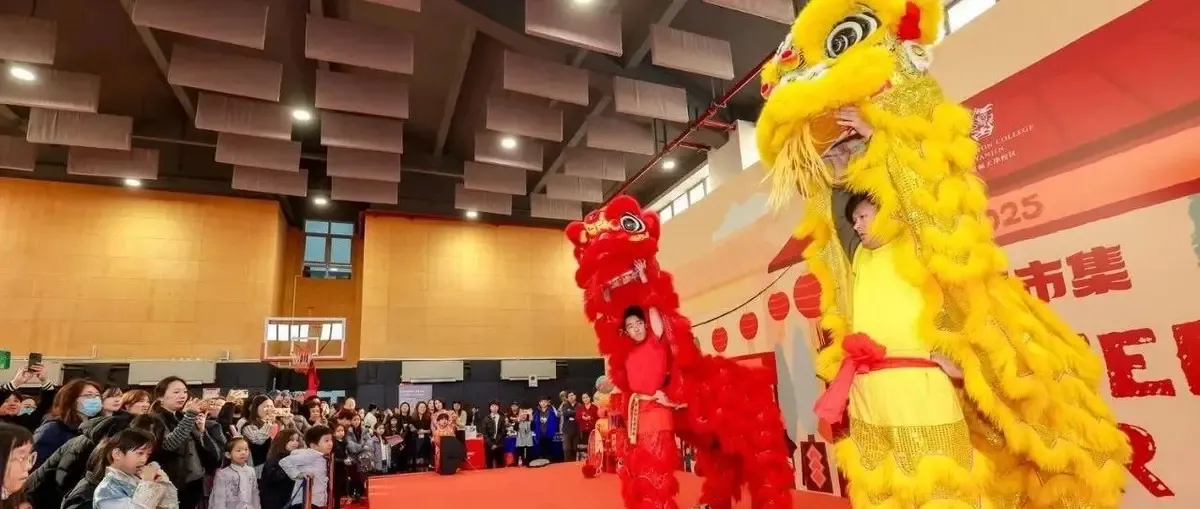
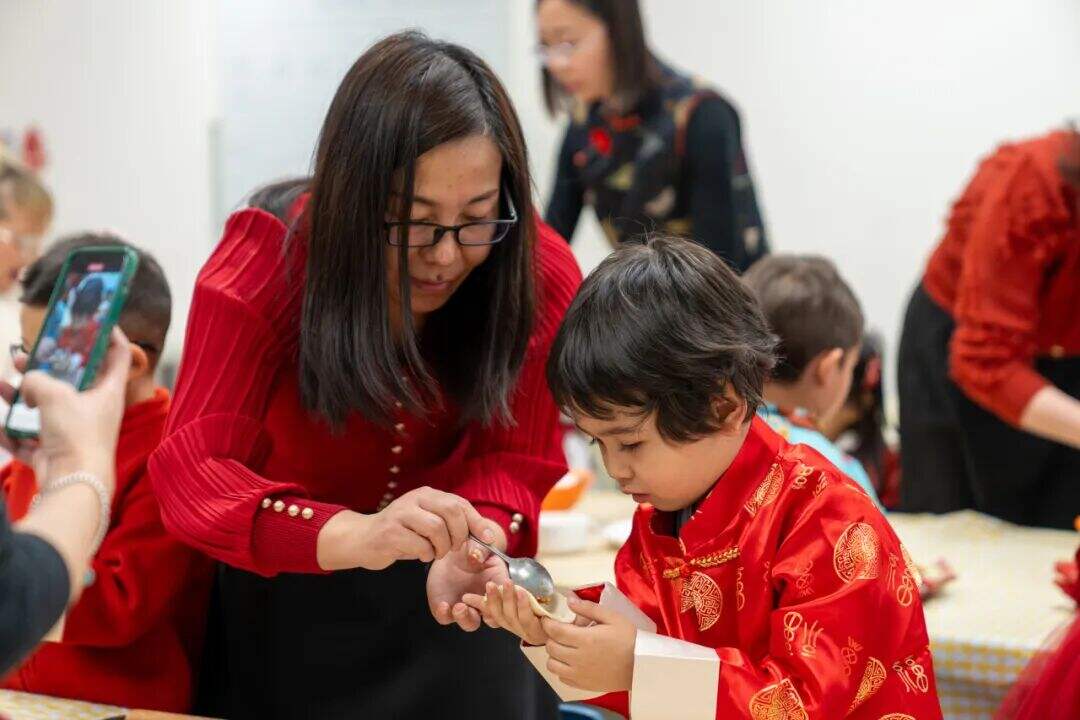
Psychological research shows that cultural confidence positively correlates with openness to foreign cultures. Through deep immersion in local traditions (Spring Festival calligraphy, lion dances) and cross-cultural comparisons, children learn to appreciate cultural diversity. Bilingual storytelling and festival activities show that "different" does not mean "wrong," fostering cultural empathy and conflict-resolution skills.
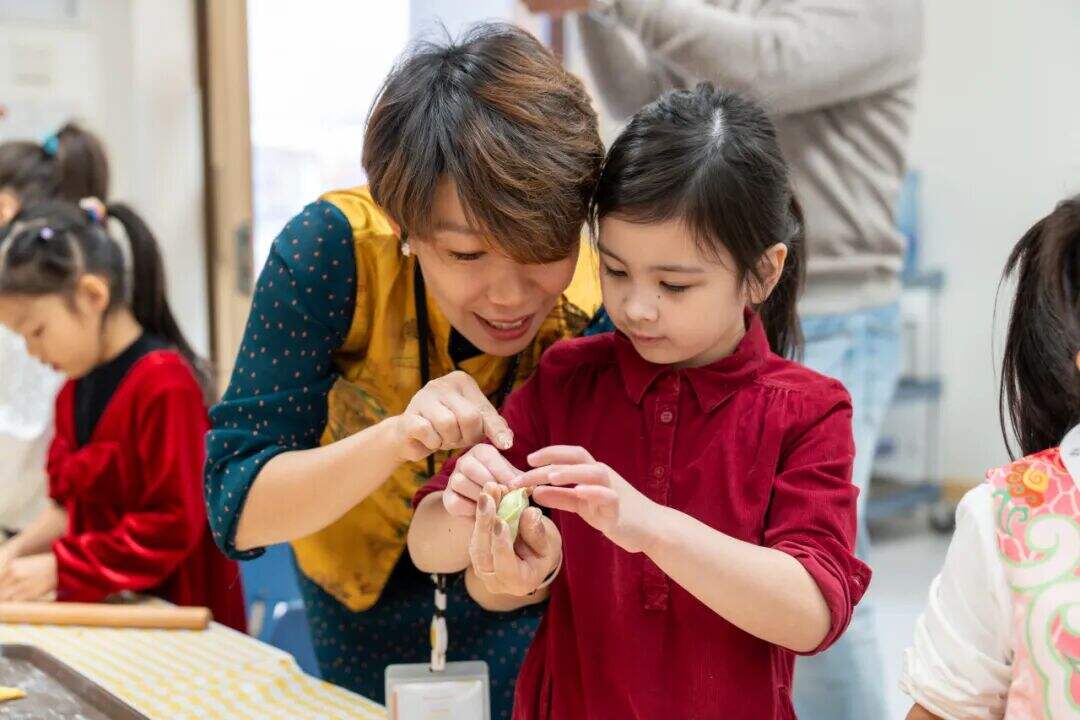
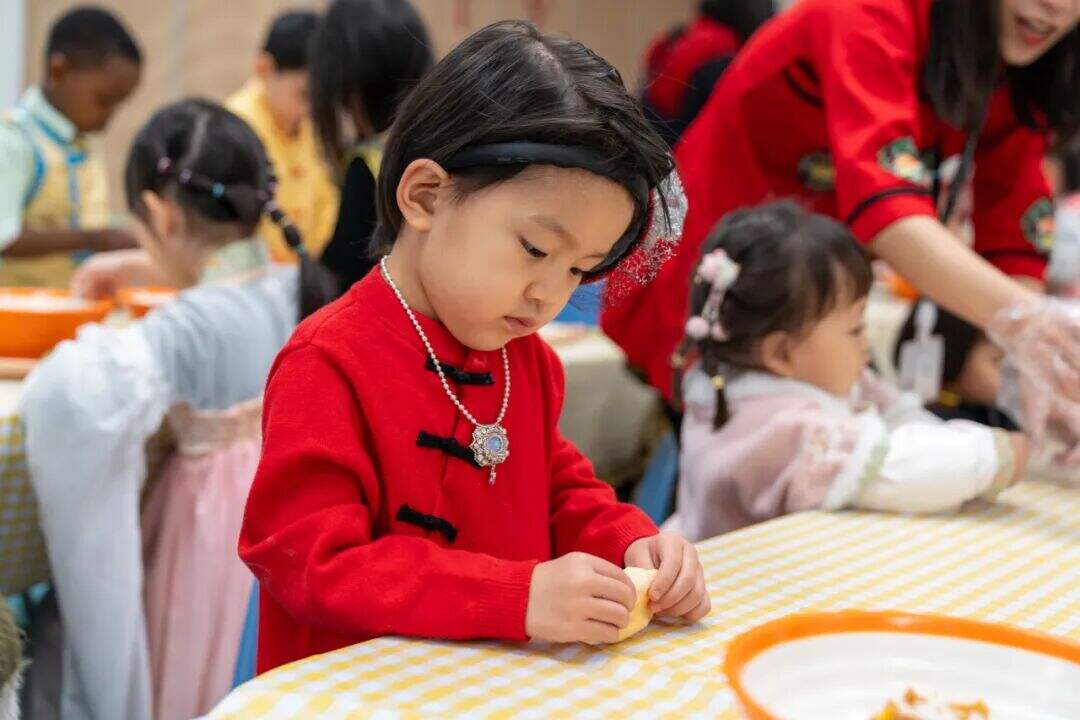
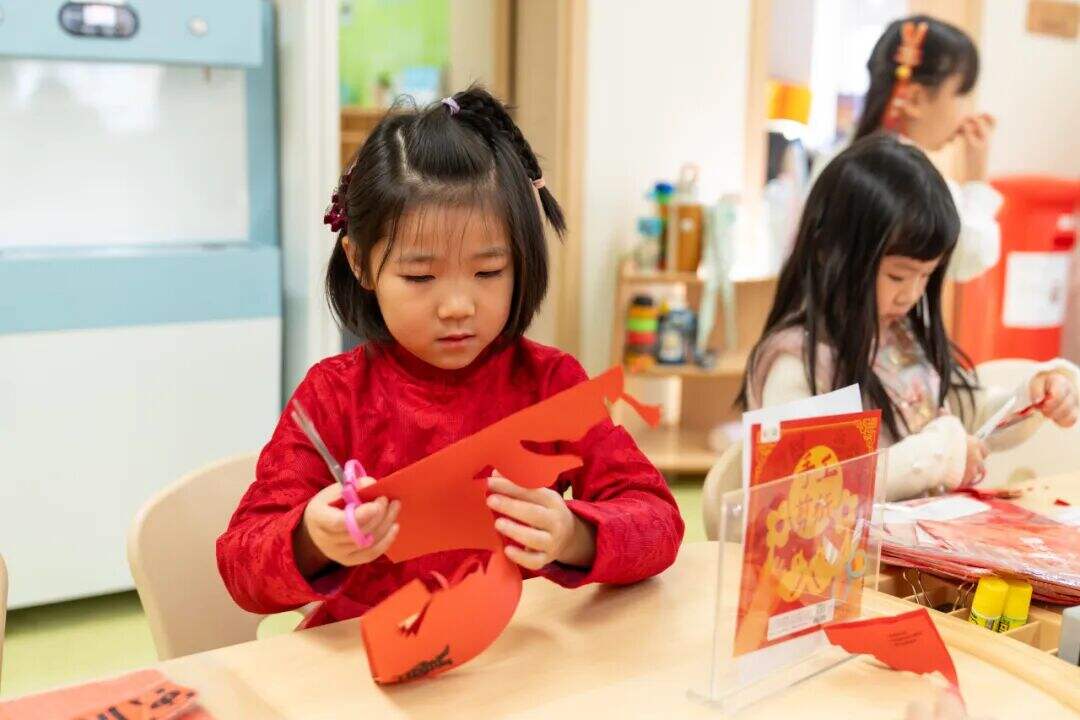
Our inquiry-based and play-based learning approach follows the "cognitive anchoring - differential experience - conflict resolution" cycle, internalising cultural survival skills. Ultimately, we nurture new-generation global citizens capable of fluid dialogue between Chinese and English cultural spheres.
Related Articles